

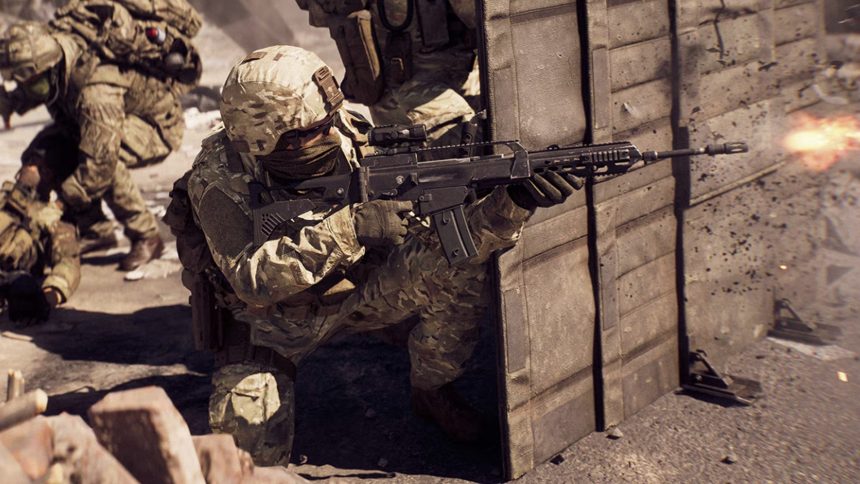
Battlefield 6 hasn’t even hit shelves and its cosmetics are already under the microscope. Over the last week, community threads zeroed in on the “Phantom” set—battle-readied operators dressed in dark patterns and night-vision rigs—after fans noticed small art shifts between early promo and newer materials. The chatter isn’t about neon clown suits; it’s about granular realism. Posts point out, for example, swaps in goggle models and color accents, arguing over whether the newer pass looks more authentic or just less striking. The tone of the debate is clear: players want a grounded look, but they also want premium skins to feel distinct enough to justify the edition.
That tension lands right where DICE and Ripple Effect say they want the series to live. Developers have been explicit that Battlefield 6 isn’t chasing flamboyant trends or crossover-style costumes. The art direction is pitched as “gritty, grounded, realistic,” with cosmetics meant to sit inside that frame rather than shout over it. That stance emerged in recent interviews and aligns with the Road to Battlefield 6 cosmetic previews—military-leaning designs with restrained flair instead of arcade spectacle.
At the same time, the studio is also responding to readability complaints from tests. The now-memed sniper scope glint, which flooded hillsides with blinding sparkles in some clips, is being toned down alongside bullet tracer brightness. Devs acknowledged the feedback, said the glint will remain as a gameplay tell, but confirmed they’ve “stepped it back” for launch. In practical terms, that should make long-range fights less noisy while keeping counter-sniper cues intact.
Why does this matter before release? Cosmetics and visibility are where authenticity, monetization, and competitive clarity collide. If skins swing too “tacticool,” squads can look samey at a glance—great for realism, bad for target ID. If they swing too flashy, you risk the exact culture clash players say they don’t want in Battlefield. The Phantom discourse is a preview of that balancing act: darker palettes and recognizable kit, but with enough silhouette and surface detailing to read instantly across dust, smoke, and muzzle flash.
The open question is how far the art team will push variety within those limits over the first season. Community posts are already dissecting high-res shots frame by frame, looking for telltale differences in materials, straps, optics, and plate carriers. If the launch set lands well—and if visibility tweaks do what they’re supposed to—Battlefield 6 could start its live service run with the tone many veterans have been asking for: cosmetics that look like soldiers, not mascots, and a battlefield that’s readable without eye-searing effects.